









Emerging Litigation Podcast


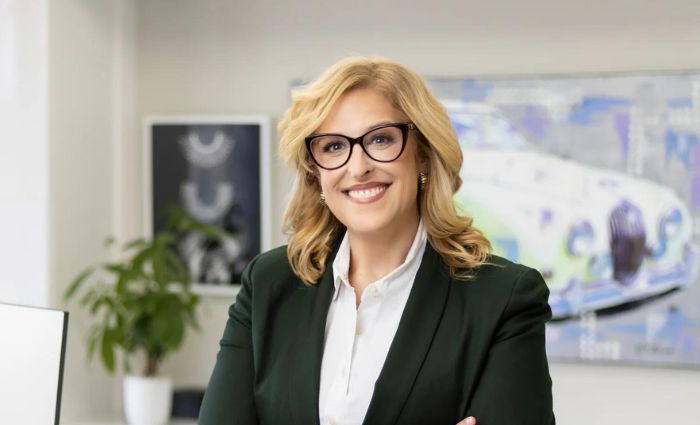
IP Protection, Secure Transactions, and Bored Apes: NFTs with Cameron Pick
In this episode, we discuss the evolving landscape of NFTs – or non-fungible tokens – which have taken the digital world by storm – or perhaps just a downloadable picture of a storm – promising to revolutionize not only the way we perceive, protect, purchase, and own digital assets, but how we might even buy a house or other assets in the real world. Guest Cameron Pick of Marshall Gerstein draws on his expertise in intellectual property law to provide insights into the changing dynamics of NFTs and the legal issues that accompany them. Tune in now!

Humans at Work with Leah Stiegler
In this episode, Leah M. Stiegler, principal attorney at Woods Rogers, shares practical solutions for a variety of challenges, like love at work, pregnancy at work, discord at work, harassment at work, and working overtime. She talks about gender identity protections, implicit biases, and microaggressions, plus conducting administrative investigations, and ideas to mitigate risk, stay out of court, and maintain a positive work environment. Enjoy now!

When Chemical Crises Strike with Ed Gentle and Kip Benson
Soon after emergency response teams scramble into action to address chemical fires, explosions, or other toxic events, attorneys begin gathering and analyzing information either to mitigate corporate risk or to seek remedies for anyone impacted by such an event. Listen to our interview with Edgar C. "Ed" Gentle III and Katherine "Kip" Benson of Gentle, Turner & Benson LLC, about legal activity that goes on in the immediate aftermath of a toxic event. Ed and Kip draw on their deep experience resolving this type of litigation to discuss the flurry of activity that unfolds at law firms and inside legal departments within hours of a disaster.
A Shameless Plug for Our Content Services
Your content marketing is everything you’ve ever dreamed of. Right?
 Sara is marketing director at a boutique law firm. When we asked her how their blog was going, she made a sad face. But then, we made Sara smile.*
Critical Legal Content was founded by Tom Hagy, former Editor & Publisher of Mealey’s Litigation Reports and VP at LexisNexis, founder of HB, current litigation podcaster and editor-in-chief. CLC’s mission is to help smaller firms and service providers not only create content — blogs, articles, papers, webinars, podcasts (like the stuff on this site) — but also to get it out there. How? Via social media, this website, your website, and potential via our podcast and journal which we publish in collaboration with vLex Fastcase and Law Street Media. The goal is to attract readers and dizzy them with your brilliance.
*Inspired by actual events.
Create content like a real legal publisher.
Emerging Litigation Journal

Insurance Coverage Litigation’s Modern Mayhem with Jeremy Moseley on the Emerging Litigation Podcast
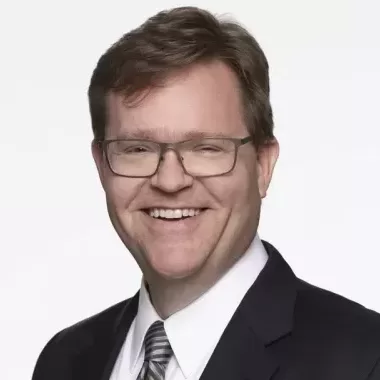
Insurance coverage litigation isn’t what it used to be. In this episode of the Emerging Litigation Podcast, Jeremy Moseley of Spencer Fane unpacks how automation, AI, climate change, and “social inflation” are reshaping risks and fueling high-stakes disputes. From thermonuclear verdicts to dangerous policy gaps, Jeremy offers sharp, practical insights into what insurers, policyholders, and lawyers should expect next.
Federal Courts Issue Contrasting Rulings on AI Training and Copyrighted Books Fair Use
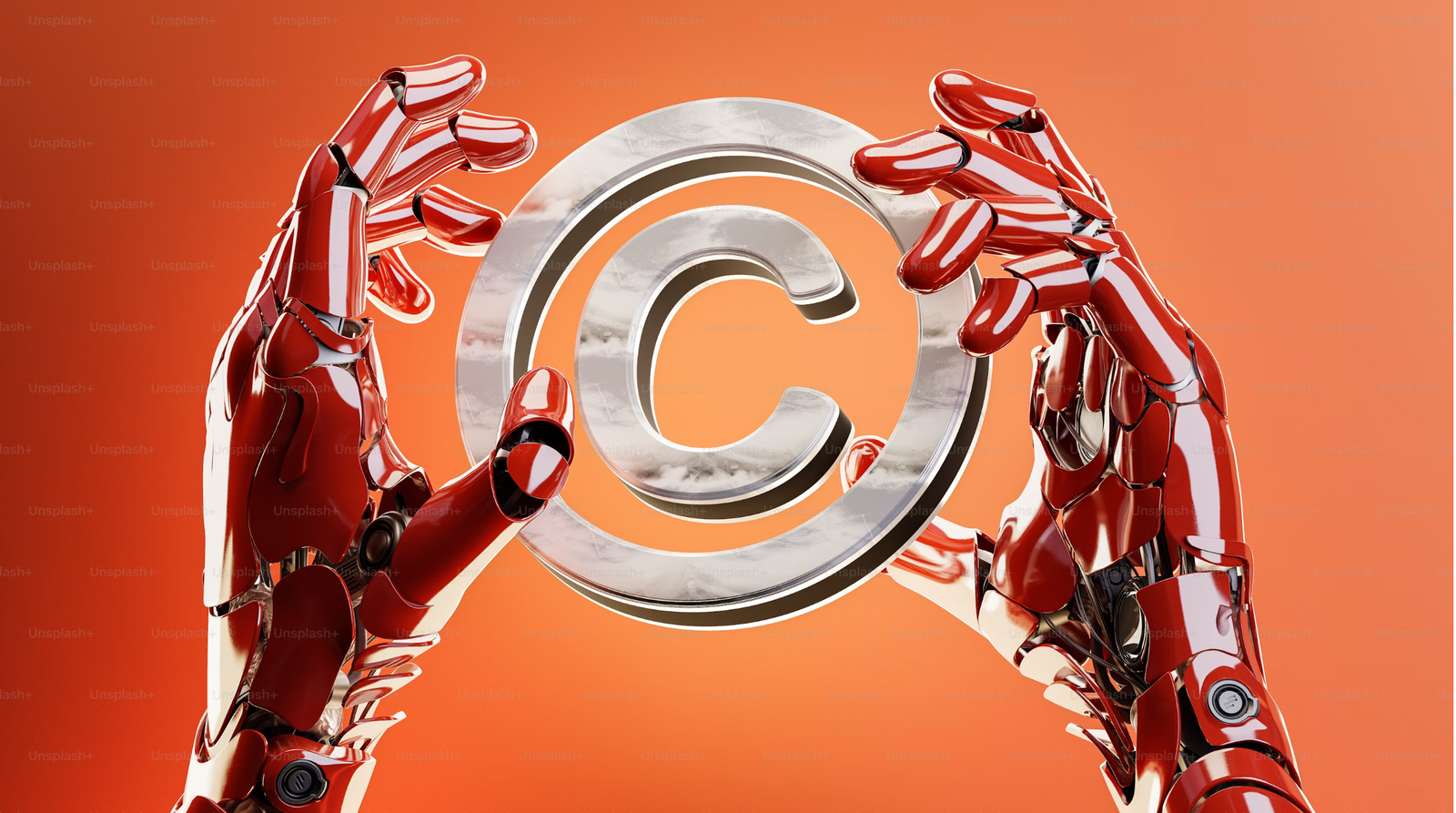
Federal courts in California just issued conflicting rulings on whether training AI models with copyrighted books qualifies as fair use. In Bartz v. Anthropic, the court protected training on lawfully purchased works but rejected the use of pirated copies. In contrast, Kadrey v. Meta allowed AI training on pirated books, calling it “highly transformative.” Tom Hagy explains that with more than 50 similar lawsuits pending, these decisions underscore the legal uncertainty facing tech companies, publishers, and creators—and could reshape the future of AI development and copyright law.
Artificial Intelligence Meets Copyright Law with Ryan Phelan and Tiffany Gehrke on the Emerging Litigation Podcast
What happens when artificial intelligence collides with copyright law? In this episode of the Emerging Litigation Podcast, intellectual property attorneys Ryan Phelan and Tiffany Gehrke of Marshall, Gerstein & Borun LLP unpack two landmark court decisions on fair use and AI training data. They explain why courts found AI training to be “transformative use,” how judges are treating legally obtained versus pirated data, and why algorithmic outputs could be the real battleground ahead. With deep expertise in technology and IP law, Ryan and Tiffany offer practical insights into how these rulings may shape the future of AI, copyright, and innovation.
HB Webinars on CeriFi LegalEdge
Avoiding the Nuclear Verdict or the Defense Verdict
According to professionals in the insurance industry and the defense bar, the number of nuclear verdicts, or verdicts that exceed $10M, is on the rise. Although the defense may prevail over plaintiffs more often at trial, when the defense loses, they lose big. And plaintiffs who could have obtained needed resources in settlement, sometimes "roll the dice" at trial and get less, or nothing at all. Do clients really want to engage in such high stakes showdowns? Is there a better way to administer "justice?" In this CLE webinar, Mediator Arbitrator Jeff Trueman and Negotiation Educator and Author, John Lowry discuss these very questions. Register for the on-demand webinar today!
Litigation After Biometric Privacy Law Violations
In this CLE webinar, Anderson Kill attorneys, Cort Malone and John Leonard discuss the state of biometric privacy litigation, the regulatory landscape, and insurance coverage considerations and rulings.






Property Insurance Coverage for Emerging Risk of Underground Climate Change
In this CLE webinar, Anderson Kill attorneys, Dennis J. Artese, Ethan Middlebrooks, and Thomas Dupont and professional engineer, Kenneth R. Quigley discuss permutations of policy language and state law that may affect coverage for damage caused by underground climate change, including how state law treats anti-concurrent causation clauses, whether “human-caused” exceptions to earth movement exclusions may apply to underground climate change, and whether “abrupt collapse” exceptions to exclusions for building collapse may apply when undetected structural damage triggered by underground climate change triggers collapse.
Content Partners