











Emerging Litigation Podcast
New and Improved Antitrust Whistleblowing Incentives with Julie Bracker and Dan Mogin on the Emerging Litigation Podcast
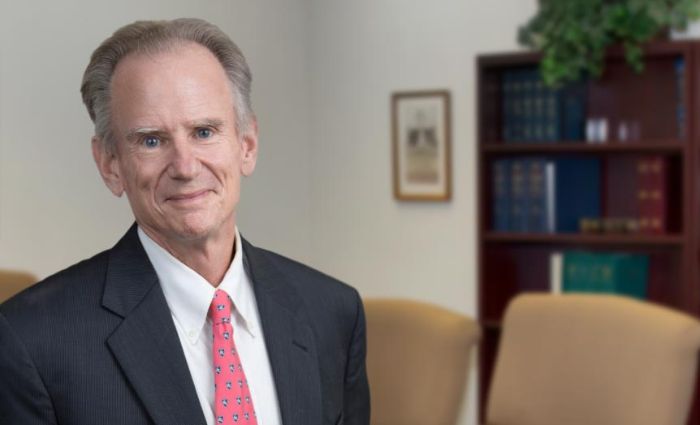
Can whistleblowers reshape antitrust enforcement the way they’ve exposed fraud in other industries? In this episode of the Emerging Litigation Podcast, host Tom Hagy talks with Julie Keeton Bracker of Bracker & Marcus and Dan Mogin of Mogin Law about the Department of Justice’s new push to encourage insider reporting in antitrust cases. They explore the history of qui tam actions, the power of the False Claims Act, and how individuals could soon play a bigger role in uncovering price-fixing, bid-rigging, and other anti-competitive schemes.

Resolving Business Disputes Without Burning Bridges Featuring Judge Alan Fine on the Emerging Litigation Podcast
In this episode of the Emerging Litigation Podcast, retired Judge Alan Fine of Private Resolutions explores how businesses can resolve disputes without destroying valuable relationships. Drawing on decades of experience on the bench and in commercial litigation, Judge Fine explains the pros and cons of mediation, arbitration, and “private judging,” which allows parties to choose their own judge and resolve matters quickly and confidentially. He shares how aligning your dispute resolution strategy with business objectives—rather than emotions—can preserve partnerships, save time, and achieve fair results.

Insurance Coverage Litigation’s Modern Mayhem with Jeremy Moseley on the Emerging Litigation Podcast
Insurance coverage litigation isn’t what it used to be. In this episode of the Emerging Litigation Podcast, Jeremy Moseley of Spencer Fane unpacks how automation, AI, climate change, and “social inflation” are reshaping risks and fueling high-stakes disputes. From thermonuclear verdicts to dangerous policy gaps, Jeremy offers sharp, practical insights into what insurers, policyholders, and lawyers should expect next.
A Shameless Plug for Our Content Services
Your content marketing is everything you’ve ever dreamed of. Right?
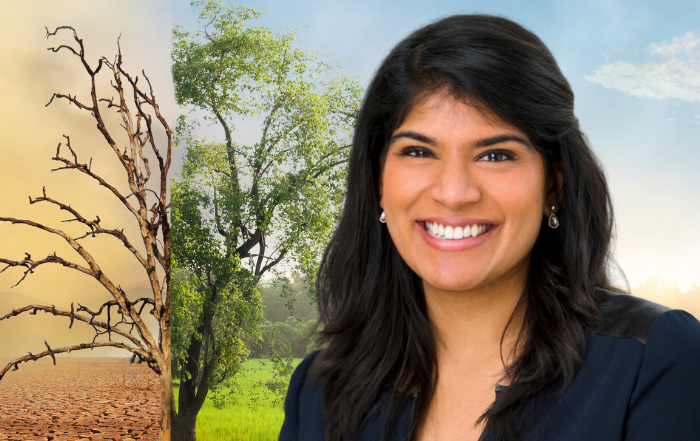
 Sara is marketing director at a boutique law firm. When we asked her how their blog was going, she made a sad face. But then, we made Sara smile.*
Critical Legal Content was founded by Tom Hagy, former Editor & Publisher of Mealey’s Litigation Reports and VP at LexisNexis, founder of HB, current litigation podcaster and editor-in-chief. CLC’s mission is to help smaller firms and service providers not only create content — blogs, articles, papers, webinars, podcasts (like the stuff on this site) — but also to get it out there. How? Via social media, this website, your website, and potential via our podcast and journal which we publish in collaboration with vLex Fastcase and Law Street Media. The goal is to attract readers and dizzy them with your brilliance.
*Inspired by actual events.
Create content like a real legal publisher.
Emerging Litigation Journal
 Opioid Addiction Litigation 2026: The New Post-Mega-Settlements Normal, Why Tribal Claims Are Central, and a Federal Pullback on Treatment Programs Gallery
Opioid Addiction Litigation 2026: The New Post-Mega-Settlements Normal, Why Tribal Claims Are Central, and a Federal Pullback on Treatment Programs
Opioid Addiction Litigation 2026: The New Post-Mega-Settlements Normal, Why Tribal Claims Are Central, and a Federal Pullback on Treatment Programs
Opioid litigation has entered a new phase defined less by courtroom trials and more by long-term settlement governance, tribal sovereignty, and evolving bankruptcy law. National opioid settlements now fund abatement through strict reporting and multi-year payment schedules, while Tribal Nations administer parallel sovereign recovery systems. At the same time, the Supreme Court’s Harrington v. Purdue Pharma decision has reshaped how mass-tort bankruptcies resolve claims. Yet as litigation-driven funding stabilizes, federal support for addiction treatment and overdose prevention faces deep cuts and growing uncertainty. Together, these developments show opioid litigation moving into a complex era where courts, settlements, and public policy intersect.
 HB Environmental Update | Tuesday, Feb. 3, 2026 | Climate Funding, Wind Power, Wild Horses, PFAS Regs, PFAS Settlement, and the Decades of Debate Over the Pollution Exclusion Gallery
HB Environmental Update | Tuesday, Feb. 3, 2026 | Climate Funding, Wind Power, Wild Horses, PFAS Regs, PFAS Settlement, and the Decades of Debate Over the Pollution Exclusion
HB Environmental Update | Tuesday, Feb. 3, 2026 | Climate Funding, Wind Power, Wild Horses, PFAS Regs, PFAS Settlement, and the Decades of Debate Over the Pollution Exclusion
Environmental law is entering another period of rapid change, as courts step in to define the limits of agency authority, corporate responsibility, and insurance coverage. Federal climate funding disputes now turn on contract law rather than administrative review. International prosecutors are bringing environmental crime cases. U.S. courts are shaping the future of wind energy projects, forest management, and wild horse policy. At the same time, PFAS regulation and settlement oversight are intensifying, while state high courts weigh in on long-debated insurance exclusions tied to pollution. This week’s developments reflect a legal landscape where judges increasingly steer environmental policy.

Cannabis Laws & Workplace Drug Testing: What Employers & Employees MUST Know in 2026
As cannabis laws continue to evolve nationwide, employers and employees are facing new questions about drug testing, workplace safety, and legal compliance. In this episode, labor and employment attorney Keya Denner of Constangy, Brooks, Smith & Prophete explains how changing cannabis policies intersect with the ADA, privacy rights, and fitness-for-duty requirements. The discussion covers documentation best practices, reasonable accommodation, and how legal drug use affects workplace policies. Essential listening for HR professionals, business leaders, and anyone navigating substance use, safety obligations, and employment law in a rapidly shifting legal landscape.
HB Webinars on CeriFi LegalEdge

Defense of Data Breach Class Actions: Key Trends, Rulings, and Settlements
Data breach class actions have emerged as one of the fastest growing areas in the complex litigation space, forcing companies to navigate evolving cybersecurity risks, negative publicity, and costly litigation as a result. Litigation was particularly notable in 2023, with a record-breaking number of filings and several high-profile cases resulting in substantial settlements. The sheer volume of individuals affected by data breaches has grown significantly, leading to larger classes and subsequently higher settlement demands. Furthermore, the nature of the data being compromised is becoming more sensitive – including financial and health information – which increases the potential damages awarded in these cases. Join experienced class action defense litigators Gerald L. Maatman, Jr. and Jennifer A. Riley for a high-level breakdown of the data breach class action landscape through analysis of key trends, rulings, and litigation strategies.

Copyrightability of AI Generated Work
Take this webinar featuring Perkins Coie LLP attorneys Lisa Ortiz and Sean West to gain a better understanding of the challenge of determining human authorship in AI-generated works, the guidance and disclosure rules established by the Copyright Office, the importance of addressing copyright ownership and usage rights in AI-related license agreements, and the implications of joint ownership of AI models and output. Learn about the categories of work in which AI is being applied in the practice of law, e.g., legal research, document drafting, deposition preparation, and discovery review. Understand the various risks associated with AI, e.g., biased and inaccurate outputs, unauthorized disclosures of private data, and intellectual property infringement. Get an overview of governmental regulation and guidance. Finally, start your journey to develop best practices in establishing AI governance teams and processes with an eye toward complying with regulations and mitigating risk. Check it out!







AI Survival Guide: Best Practices to Mitigate AI Litigation Risk
Organizations using artificial intelligence-based technologies that perform facial recognition or other facial analysis, website advertising, profiling, automated decision making, educational operations, clinical medicine, generative AI, and more, increasingly face the risk of being targeted by class action lawsuits and government enforcement actions alleging that they improperly obtained, disclosed, and misused personal data of website visitors, employees, customers, students, patients, and others, or that they infringed copyrights, fixed prices, and more. These disputes often seek millions or billions of dollars against businesses of all sizes. This webinar identifies recent trends in such varied but similar AI litigation, draws common threads, and discusses best practices that corporate counsel should consider to mitigate AI litigation risk. Our excellent speakers are Jerry Maatman and Justin Donoho of Duane Morris.
Content Partners