







Emerging Litigation Podcast

Humans at Work with Leah Stiegler
In this episode, Leah M. Stiegler, principal attorney at Woods Rogers, shares practical solutions for a variety of challenges, like love at work, pregnancy at work, discord at work, harassment at work, and working overtime. She talks about gender identity protections, implicit biases, and microaggressions, plus conducting administrative investigations, and ideas to mitigate risk, stay out of court, and maintain a positive work environment. Enjoy now!

When Chemical Crises Strike with Ed Gentle and Kip Benson
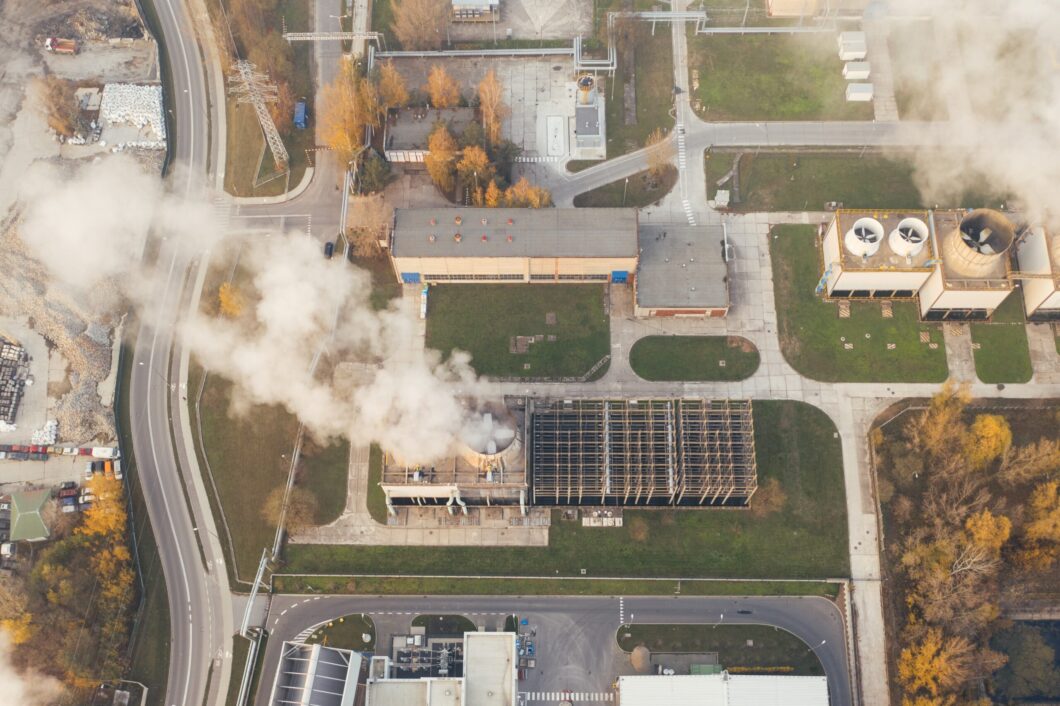
Soon after emergency response teams scramble into action to address chemical fires, explosions, or other toxic events, attorneys begin gathering and analyzing information either to mitigate corporate risk or to seek remedies for anyone impacted by such an event. Listen to our interview with Edgar C. "Ed" Gentle III and Katherine "Kip" Benson of Gentle, Turner & Benson LLC, about legal activity that goes on in the immediate aftermath of a toxic event. Ed and Kip draw on their deep experience resolving this type of litigation to discuss the flurry of activity that unfolds at law firms and inside legal departments within hours of a disaster.

The EPA’s New PFAS Safe Drinking Water Rule with John Gardella
In this episode, we dive into one of the hottest topics in environmental law right now: PFAS. Specifically, our guest, John Gardella of CMBG3 Law talks about the EPA’s new PFAS Safe Drinking Water Final Rule, which mandates acceptable levels of PFAS in public water systems. John is a leading voice in PFAS litigation and a recognized thought leader, known for his expertise in environmental and toxic tort litigation. Tune in now!
A Shameless Plug for Our Content Services
Your content marketing is everything you’ve ever dreamed of. Right?
 Sara is marketing director at a boutique law firm. When we asked her how their blog was going, she made a sad face. But then, we made Sara smile.*
Critical Legal Content was founded by Tom Hagy, former Editor & Publisher of Mealey’s Litigation Reports and VP at LexisNexis, founder of HB, current litigation podcaster and editor-in-chief. CLC’s mission is to help smaller firms and service providers not only create content — blogs, articles, papers, webinars, podcasts (like the stuff on this site) — but also to get it out there. How? Via social media, this website, your website, and potential via our podcast and journal which we publish in collaboration with vLex Fastcase and Law Street Media. The goal is to attract readers and dizzy them with your brilliance.
*Inspired by actual events.
Create content like a real legal publisher.
Emerging Litigation Journal

Montana Court Awards $2.9 Million in Fees to Youth Climate Plaintiffs After Landmark Constitutional Win
A Montana District Court has awarded nearly $3 million in fees and costs to youth plaintiffs after their landmark constitutional victory recognizing a right to a stable climate system. The ruling highlights the societal importance of the case, the inequity of resources between the parties, and the critical role of private enforcement in protecting environmental rights. Learn more in the full article.

Authentic Business Development for Litigators: Stop Chasing Cases and Start Building Clients with John Reed on the Emerging Litigation Podcast
What if waiting for lawsuits is the worst growth strategy a litigator can have? In this episode of the Emerging Litigation Podcast, host Tom Hagy speaks with John Reed, founder of Rain BDM and host of Sticky Lawyers, about how litigators can build authentic, lasting client relationships instead of chasing the next case. John shares practical insights on defining your professional brand, using emotional intelligence in business development, and adapting your natural style—especially for introverts or those navigating remote mentorship. Whether you’re a new associate or a seasoned partner, this episode offers a roadmap for making your practice more resilient, visible, and genuinely client-centered.
New and Improved Antitrust Whistleblowing Incentives with Julie Bracker and Dan Mogin on the Emerging Litigation Podcast
Can whistleblowers reshape antitrust enforcement the way they’ve exposed fraud in other industries? In this episode of the Emerging Litigation Podcast, host Tom Hagy talks with Julie Keeton Bracker of Bracker & Marcus and Dan Mogin of Mogin Law about the Department of Justice’s new push to encourage insider reporting in antitrust cases. They explore the history of qui tam actions, the power of the False Claims Act, and how individuals could soon play a bigger role in uncovering price-fixing, bid-rigging, and other anti-competitive schemes.
HB Webinars on CeriFi LegalEdge

AI Image Generators and Copyright: Eligibility in the U.S., UK, EU, and More; Fair Use, Derivative Works, Liability
AI Image Generators and Copyright: Eligibility in the U.S., UK, EU, and More; Fair Use, Derivative Works, Liability AI programs are now readily available for all. Stability AI, Lensa, and other AI image creation tools create original works of art, raising the question of IP protection for such art. The United States requires human authorship in order to obtain copyright protection, and so far, the U.S. Copyright Office has declined to grant copyright registrations for AI-created works of art based on a lack of human authorship (one of these decisions is being challenged in Thaler v. Perlmutter (D.D.C. filed June 2, 2022)). While some countries take a similar approach to the US, others treat the issue of copyright eligibility for AI-generated art quite differently and provide at least some protection of computer generated works. Questions have also been raised as to whether AI-generated images constitute derivative works and whether such images and the AI generation tools used to create them infringe third-party copyrights, or whether the fair use doctrine or other defenses may apply. The first lawsuits involving image generators have now been filed raising copyright claims in addition to other claims. Listen as our authoritative panel of IP attorneys examines AI image generators and the associated copyright issues. The panel will discuss eligibility in the U.S. and the recent actions by the Copyright Office and contrast this with the approaches used in other countries. The panel will also address the recent cases that have been filed and the potential liability for copyright infringement in the U.S. and other countries. Michael R. Graif Member Mintz Levin Cohn Ferris Glovsky and Popeo Lisa T. Oratz Senior Counsel Perkins Coie Scott J. Sholder Partner Cowan DeBaets Abrahams & Sheppard CLE On-Demand Webinar This Strafford production has been specially selected for HB audiences. What hurdles confront counsel when demonstrating authorship of AI-generated works? How does [...]

Class Certification Evidence: Standards of Admissibility and Probative Value Among the Circuits
Class Certification Evidence What Are the Standards of Admissibility and Probative Value Among the Circuits? Numerous splits exist among the circuits on two key certification issues: What is required to prove the elements for class certification and whether plaintiff's certification evidence must be admissible. Further, courts apply different admissibility standards to fact evidence than to expert evidence. Certain courts have issued clear guidance on these important issues, while others have remained circumspect, sending mixed signals. This is particularly vexing for defendants, who may be sued in more than one district or circuit. What is sufficient for class certification in one jurisdiction may be inadequate in another. With standards unsettled, counsel must anticipate and preserve the right to revisit class certification by preserving all objections and the factual record. Listen as the panel of class action attorneys discusses the standards of admissibility of evidence at certification and best strategies for leveraging ambiguities. Questions Addressed How can defense counsel preserve objections to admissibility? How can counsel leverage the law of other circuits in jurisdictions with no controlling precedent? What does how a court assesses evidence imply about its view on admissibility standards? Webinar Outline Fact evidence Need not be admissible Must be admissible Ambiguous Expert evidence Full Daubert analysis Limited Daubert analysis Strategies for managing and leveraging the uncertainty A Strafford production specially selected for HB audiences. Learn Strategies forOpposing or Narrowing Class Certificationand Preserving Objections This Strafford production has been specially selected for HB audiences. Kevin Daly Counsel Robinson & Cole Alexander Madrid Partner McGuire Woods Michael Ruttinger Partner Tucker Ellis Robert Sparkes, III Partner K&L Gates This Strafford production has been specially selected for HB audiences.








Discovery Strategies in Wage and Hour Class and Collective Actions Before and After Certification of Putative Class
Discovery Strategies in Wage and Hour Class and Collective Actions Before and After Certification of Putative Class Strategically Limiting Discovery, Resolving Discovery Disputes Wage and hour class and collective actions are complex and discovery intensive. Discovery requests are often burdensome, seeking information concerning a broad swath of workers. This causes the discovery process to sometimes linger for years and creates a significant expense for employers.In recent years, courts have emphasized that parties must rein in extensive and expensive discovery requests. Employment litigators are increasingly raising proportionality arguments as a basis for objecting to opposing counsel's discovery requests. Drafters are responding by tailoring requests to anticipate such challenges. Drafting discovery requests that are likely to withstand burden and proportionality challenges and objections to broad discovery requests is critical for litigators representing employers in wage and hour class and collective actions. Employment litigators must develop and implement effective discovery strategies both before and, as applicable, after certification of the putative class. These strategies often must anticipate the possibility of a future summary judgment motion, further certification practice, and trial on the merits. Listen as our authoritative panel of employment law attorneys explains effective strategies for pursuing or objecting to discovery requests in wage and hour collective and class actions and resolving discovery disputes that arise during litigation. Questions Addressed: What are the most common discovery challenges counsel face when litigating wage and hour collective and class actions--from initiation through resolution of the case? What strategies have been effective in wage and hour collective and class actions for obtaining essential information with the least expense? What is the scope of discoverable evidence before and after certification of the putative class, and how can you limit or best manage discovery? When drafting discovery requests in wage and hour class and collective actions, what should employment counsel consider to ensure that the requests align with the proportionality standard? Interested in [...]
Content Partners