













Emerging Litigation Podcast

How AI Is Transforming the Practice of Law with Cristin Traylor
Artificial intelligence is rapidly changing legal practice, but where does it deliver real value—and where is human judgment still essential? Cristin Traylor of Relativity joins Tom Hagy to discuss generative AI in legal workflows, discovery, defensibility, validation, and what lawyers should consider before relying on AI-generated results.

The Texas Two-Step: Testing Bankruptcy Law and Jury Rights with Adam Silverstein
Can financially healthy companies use bankruptcy to resolve billions of dollars in mass tort claims? Plaintiff lawyer Adam Silverstein of Otterbourg examines the Texas two-step, Johnson & Johnson’s unsuccessful talc bankruptcy attempts, the impact of the Supreme Court’s Purdue decision, and the tension between Chapter 11 and plaintiffs’ jury trial rights.

The Hidden Danger of Carbon Monoxide: Proving Exposure, Brain Injury & Liability with Sam Cannon
Carbon monoxide poisoning can cause devastating injuries while leaving victims and attorneys with difficult questions about exposure, causation, and liability. Attorney Sam Cannon of Cannon Law discusses how carbon monoxide cases are investigated, how brain injuries are proven, and why deferred maintenance, expert testimony, and multiple responsible parties can become critical to the litigation.
A Shameless Plug for Our Content Services
Your content marketing is everything you’ve ever dreamed of. Right?
 Sara is marketing director at a boutique law firm. When we asked her how their blog was going, she made a sad face. But then, we made Sara smile.*
Critical Legal Content was founded by Tom Hagy, former Editor & Publisher of Mealey’s Litigation Reports and VP at LexisNexis, founder of HB, current litigation podcaster and editor-in-chief. CLC’s mission is to help smaller firms and service providers not only create content — blogs, articles, papers, webinars, podcasts (like the stuff on this site) — but also to get it out there. How? Via social media, this website, your website, and potential via our podcast and journal which we publish in collaboration with vLex Fastcase and Law Street Media. The goal is to attract readers and dizzy them with your brilliance.
*Inspired by actual events.
Create content like a real legal publisher.
Emerging Litigation Journal

War Risk Insurance and Exclusion | Webinar for CLE Credit
War risk exclusions can determine whether a multimillion-dollar loss is covered or excluded. This CLE webinar examines the legal principles governing war risk insurance, political risk coverage, terrorism exclusions, cyber war claims, and the landmark cases that continue to shape insurance recovery. Featuring Robert M. Horkovich of Anderson Kill and Rich Boone of Wilson Elser, the program provides practical guidance for evaluating policy language, analyzing exclusion defenses, and developing effective recovery strategies in an evolving geopolitical and cyber risk environment.

AI and the Law: A Year-End Retrospective 2025 and Beyond | Webinar for CLE Credit
Artificial intelligence continues to reshape the legal landscape, bringing new litigation risks, evolving regulatory obligations, and complex governance challenges. In this CLE webinar, Abigail Damsky, Jamie O'Neill, and Seán McCabe of Anderson Kill examine the legal developments that continue to influence AI-related litigation and compliance, including privacy and biometric claims, copyright disputes, AI washing, algorithmic discrimination, product liability, antitrust concerns, and the expanding global regulatory framework. Gain practical insights into the cases, trends, and governance considerations that remain highly relevant for legal professionals advising clients on AI risk.
HIPAA Meets Social Media Marketing with Liz Heddleston and Leah Stiegler
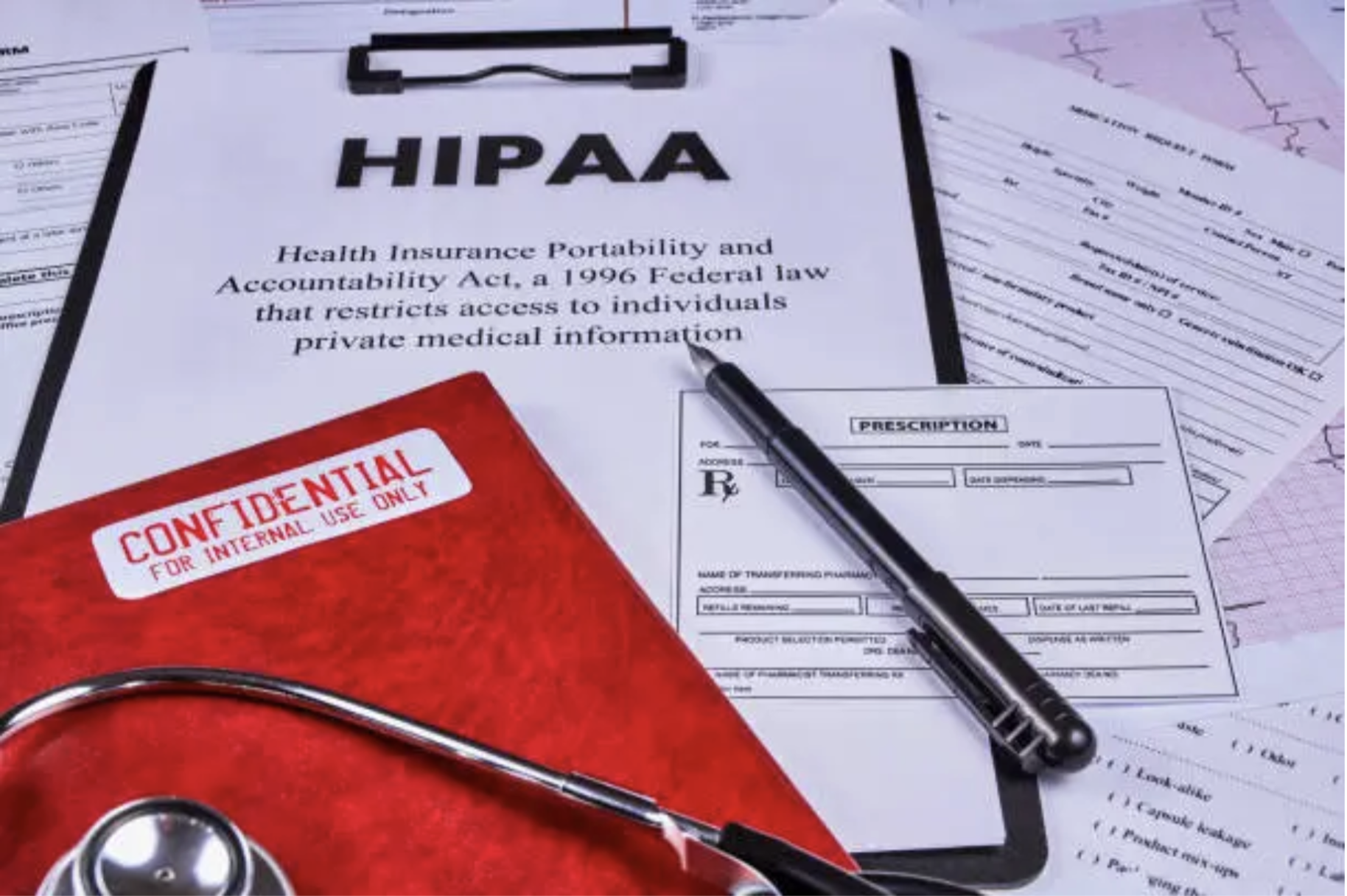
Healthcare providers increasingly use social media, patient testimonials, influencer partnerships, and AI-assisted content to engage patients and build their brands. But as recent OCR enforcement actions demonstrate, these marketing efforts can create significant HIPAA risks when protected health information is disclosed without proper authorization. In this episode, Liz Heddleston and Leah Stiegler discuss the Cadia Healthcare settlement, emerging compliance challenges, and what healthcare organizations need to know to navigate the intersection of privacy, marketing, and regulatory enforcement.
HB Webinars on CeriFi LegalEdge
War Risk Insurance and Exclusion | Webinar for CLE Credit
War risk exclusions can determine whether a multimillion-dollar loss is covered or excluded. This CLE webinar examines the legal principles governing war risk insurance, political risk coverage, terrorism exclusions, cyber war claims, and the landmark cases that continue to shape insurance recovery. Featuring Robert M. Horkovich of Anderson Kill and Rich Boone of Wilson Elser, the program provides practical guidance for evaluating policy language, analyzing exclusion defenses, and developing effective recovery strategies in an evolving geopolitical and cyber risk environment.
AI and the Law: A Year-End Retrospective 2025 and Beyond | Webinar for CLE Credit
Artificial intelligence continues to reshape the legal landscape, bringing new litigation risks, evolving regulatory obligations, and complex governance challenges. In this CLE webinar, Abigail Damsky, Jamie O'Neill, and Seán McCabe of Anderson Kill examine the legal developments that continue to influence AI-related litigation and compliance, including privacy and biometric claims, copyright disputes, AI washing, algorithmic discrimination, product liability, antitrust concerns, and the expanding global regulatory framework. Gain practical insights into the cases, trends, and governance considerations that remain highly relevant for legal professionals advising clients on AI risk.
 Medicare Set-Asides in Catastrophic Injury Cases: What Plaintiff Lawyers Get Wrong—and How It Costs Their Clients Millions | Webinar for CLE Credit Gallery
Medicare Set-Asides in Catastrophic Injury Cases: What Plaintiff Lawyers Get Wrong—and How It Costs Their Clients Millions | Webinar for CLE Credit
Medicare Set-Asides in Catastrophic Injury Cases: What Plaintiff Lawyers Get Wrong—and How It Costs Their Clients Millions | Webinar for CLE Credit
Medicare issues can significantly affect the value and outcome of catastrophic injury settlements. In this webinar, Brett Newman and Franklin Solomon examine Medicare reimbursement claims, Medicare Set-Asides, the Medicare Secondary Payer Act, and settlement planning strategies that help plaintiff attorneys protect client recoveries while avoiding unnecessary compliance burdens and costly mistakes.
Content Partners