
Emerging Litigation Podcast

Litigators, YES Litigators: One Attorney’s Journey Within and Without the Legal Industry
In this episode, we discuss all the things one former litigator, Somya Kaushik, Senior Corporate Counsel at Mineral and Adjunct Professor of Law at Lewis & Clark Law School has done, and the advantages she feels a litigator can bring to a small company – one that isn’t embroiled in litigation (and would like to keep it that way). As she notes, "a litigator is well-positioned to identify actual but often overlooked legal risks, effectively mitigating issues and reducing both business and legal risks". Listen and learn more!


Massive Mass Tort Settlements and Liability Forecasting
In this episode, we discuss Liability Forecasting and the role it plays in the administration of massive, sometimes multi-billion-dollar mass tort settlement trusts with guests Mark Eveland and Ed Silverman of Verus LLC, which provides litigation support services to law firms working on mass torts, such as case management and medical review services, settlement administration, business and advisory services, and analytics. Liability forecasting mechanisms were built to fairly and judiciously compensate current and future claimants for their injuries. Listen and learn more!
Navigating International Discovery
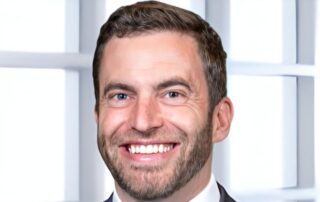
In this episode, we discuss navigating the complexities of international discovery with Ben Daniels of Robinson+Cole and the benefits of understanding jurisdictional differences and having specialized tools and strategies to cut through the complexities. As Ben notes, "if you litigate in a foreign court, discovery, as it is known in the U.S., is not going to happen. But parties often forget a powerful tool to get around those restrictions". Listen and learn more!
A Shameless Plug for Our Content Services
Your content marketing is everything you’ve ever dreamed of. Right?
 Sara is marketing director at a boutique law firm. When we asked her how their blog was going, she made a sad face. But then, we made Sara smile.*
Critical Legal Content was founded by Tom Hagy, former Editor & Publisher of Mealey’s Litigation Reports and VP at LexisNexis, founder of HB, current litigation podcaster and editor-in-chief. CLC’s mission is to help smaller firms and service providers not only create content — blogs, articles, papers, webinars, podcasts (like the stuff on this site) — but also to get it out there. How? Via social media, this website, your website, and potential via our podcast and journal which we publish in collaboration with vLex Fastcase and Law Street Media. The goal is to attract readers and dizzy them with your brilliance.
*Inspired by actual events.
Create content like a real legal publisher.
Emerging Litigation Journal

AI tools may be the cause of the explosion in nuclear verdicts — and also the solution
Guest contributor Justin Ward discusses how artificial intelligence is both fueling and fighting the rise of “nuclear verdicts.” Plaintiff attorneys are using AI to identify high-damages cases, favorable jurisdictions, and winning arguments—driving a spike in verdicts over $10 million. At the same time, defense lawyers and insurers are adopting tools like NaVeL to spot high-risk cases early and craft smarter strategies. As AI reshapes legal practice, the very technology accelerating massive awards may also be the best hope for containing them.
Supreme Court to Reconsider Separate Sovereignties
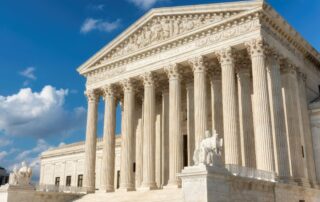
The Supreme Court’s decision to review Barrett v. United States signals a potential shift in how the long-standing “separate sovereignties” exception to the Double Jeopardy Clause is applied. This article by guest contributor Bret Thurman offers a deep dive into the historical, constitutional, and practical complexities of double jeopardy, from its roots in ancient Greece to modern-day interpretations. It explores how exceptions—like implied acquittals, mistrials, and fraud—have shaped the doctrine, and raises questions about whether dual prosecutions still make sense in today’s legal landscape.





Injunction against Trump’s DEI executive orders unlikely to stem massive wave of ‘reverse discrimination’ lawsuits
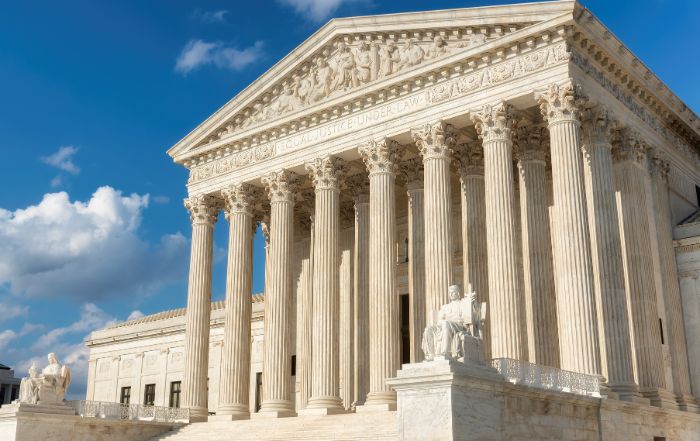
Justin Ward examines the recent federal court injunction against President Trump’s executive orders targeting Diversity, Equity, and Inclusion (DEI) programs. While the ruling temporarily halts enforcement of these orders, legal experts suggest it’s unlikely to slow the growing wave of “reverse discrimination” lawsuits. Since the Supreme Court’s 2023 decision in Students for Fair Admission v. Harvard, more than 100 claims alleging discrimination against majority groups have been filed. Additionally, state legislation and an upcoming Supreme Court case, Ames v. Ohio Department of Youth Services, could further lower the bar for such claims, potentially fueling even more litigation.
HB Webinars on CeriFi LegalEdge
Content Partners