
HB Partner Webinars on the West LegalEdcenter
Take these CLE webinars on the West LegalEdcenter platform. Each program features leading litigators in their respective fields on emerging subjects. Speakers and topics are handpicked by HB. Your organization may have already subscribed to the platform, but each session is also available for individual purpose. For questions or if you wish to propose a webinar, write to us at: Webinars@LitigationConferences.com.
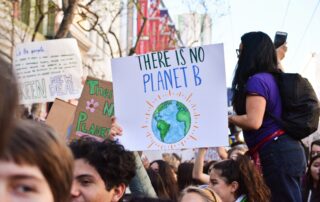
Montana Court Awards $2.9 Million in Fees to Youth Climate Plaintiffs After Landmark Constitutional Win
A Montana District Court has awarded nearly $3 million in fees and costs to youth plaintiffs after their landmark constitutional victory recognizing a right to a stable climate system. The ruling highlights the societal importance of the case, the inequity of resources between the parties, and the critical role of private enforcement in protecting environmental rights. Learn more in the full article.

Unraveling “Reverse Discrimination” with Employment Attorney Leah Stiegler on the Emerging Litigation Podcast
What happens when workplace discrimination claims come from members of majority groups? In this episode of the Emerging Litigation Podcast, attorney Leah Stiegler of Woods Rogers unpacks the Supreme Court’s unanimous decision in Ames v. Ohio Department of Youth Services. The Court’s ruling—eliminating the “background circumstances rule”—marks a major shift in how discrimination cases are evaluated, reinforcing that Title VII protects everyone equally. Leah shares insights from mock jury trials, explores how geography and community values affect verdicts, and breaks down what employers should know about evolving discrimination standards.

Authentic Business Development for Litigators: Stop Chasing Cases and Start Building Clients with John Reed on the Emerging Litigation Podcast
What if waiting for lawsuits is the worst growth strategy a litigator can have? In this episode of the Emerging Litigation Podcast, host Tom Hagy speaks with John Reed, founder of Rain BDM and host of Sticky Lawyers, about how litigators can build authentic, lasting client relationships instead of chasing the next case. John shares practical insights on defining your professional brand, using emotional intelligence in business development, and adapting your natural style—especially for introverts or those navigating remote mentorship. Whether you’re a new associate or a seasoned partner, this episode offers a roadmap for making your practice more resilient, visible, and genuinely client-centered.
New and Improved Antitrust Whistleblowing Incentives with Julie Bracker and Dan Mogin on the Emerging Litigation Podcast
Can whistleblowers reshape antitrust enforcement the way they’ve exposed fraud in other industries? In this episode of the Emerging Litigation Podcast, host Tom Hagy talks with Julie Keeton Bracker of Bracker & Marcus and Dan Mogin of Mogin Law about the Department of Justice’s new push to encourage insider reporting in antitrust cases. They explore the history of qui tam actions, the power of the False Claims Act, and how individuals could soon play a bigger role in uncovering price-fixing, bid-rigging, and other anti-competitive schemes.

Resolving Business Disputes Without Burning Bridges Featuring Judge Alan Fine on the Emerging Litigation Podcast
In this episode of the Emerging Litigation Podcast, retired Judge Alan Fine of Private Resolutions explores how businesses can resolve disputes without destroying valuable relationships. Drawing on decades of experience on the bench and in commercial litigation, Judge Fine explains the pros and cons of mediation, arbitration, and “private judging,” which allows parties to choose their own judge and resolve matters quickly and confidentially. He shares how aligning your dispute resolution strategy with business objectives—rather than emotions—can preserve partnerships, save time, and achieve fair results.

Insurance Coverage Litigation’s Modern Mayhem with Jeremy Moseley on the Emerging Litigation Podcast
Insurance coverage litigation isn’t what it used to be. In this episode of the Emerging Litigation Podcast, Jeremy Moseley of Spencer Fane unpacks how automation, AI, climate change, and “social inflation” are reshaping risks and fueling high-stakes disputes. From thermonuclear verdicts to dangerous policy gaps, Jeremy offers sharp, practical insights into what insurers, policyholders, and lawyers should expect next.
Federal Courts Issue Contrasting Rulings on AI Training and Copyrighted Books Fair Use
Federal courts in California just issued conflicting rulings on whether training AI models with copyrighted books qualifies as fair use. In Bartz v. Anthropic, the court protected training on lawfully purchased works but rejected the use of pirated copies. In contrast, Kadrey v. Meta allowed AI training on pirated books, calling it “highly transformative.” Tom Hagy explains that with more than 50 similar lawsuits pending, these decisions underscore the legal uncertainty facing tech companies, publishers, and creators—and could reshape the future of AI development and copyright law.

Artificial Intelligence Meets Copyright Law with Ryan Phelan and Tiffany Gehrke on the Emerging Litigation Podcast
What happens when artificial intelligence collides with copyright law? In this episode of the Emerging Litigation Podcast, intellectual property attorneys Ryan Phelan and Tiffany Gehrke of Marshall, Gerstein & Borun LLP unpack two landmark court decisions on fair use and AI training data. They explain why courts found AI training to be “transformative use,” how judges are treating legally obtained versus pirated data, and why algorithmic outputs could be the real battleground ahead. With deep expertise in technology and IP law, Ryan and Tiffany offer practical insights into how these rulings may shape the future of AI, copyright, and innovation.

Subway Surfing Suit Against Meta and TikTok: Setting the Stage for Social Media Liability
Social media platforms are under mounting legal pressure as courts scrutinize how algorithms amplify dangerous viral trends. In Nazario v. ByteDance Ltd., a New York judge allowed a wrongful death lawsuit against Meta and TikTok to move forward after a teen died attempting a “subway surfing” stunt allegedly promoted by their platforms. In this article, Tom Hagy examines how the decision challenges long-standing Section 230 protections and signals a shift toward treating social media as potentially defective products when design and targeting harm young users. This case—and others involving viral challenges and youth safety—may redefine platform liability for years to come.

Climate Change Law: Tension Increases Over Governmental and Corporate Responsibility
The world’s leaders still don’t agree on what, if anything, to do about climate change – despite mounting evidence that, as a planet, we are in the soup. A major ruling from the International Court of Justice says states have an obligation to save the planet, as the U.S. president is enthusiastically sprinting the other way, inspiring cheers from his base and jeers from scientists. As for domestic litigation designed to pin liability on the fossil fuel industry, a case in South Carolina faltered as another in Hawaii is clearing hurdles. Read the update from Tom Hagy.

CEO Depositions and the Apex Doctrine with Rachel Lary on the Emerging Litigation Podcast
Can a CEO be forced to sit for a deposition? In this episode of the Emerging Litigation Podcast, national trial lawyer Rachel M. Lary of Lightfoot, Franklin & White unpacks the Apex Doctrine—a legal standard designed to shield high-ranking executives from unnecessary depositions. Rachel explains how courts assess executive knowledge, alternative discovery options, and the growing body of case law shaping this issue across jurisdictions. A must-listen for litigators navigating discovery strategy in high-stakes cases.

From Socks to Strategy: What Zoom Focus Groups Reveal About Your Case with Elizabeth Larrick
Trial attorney and litigation consultant Elizabeth Larrick shares what more than 1,000 virtual focus groups have taught her about trial prep, from testing case narratives to refining jury selection. In this episode of the Emerging Litigation Podcast, discover how Zoom-based sessions reveal surprising insights into witness credibility, evidence presentation, and what really resonates with jurors—yes, even their take on orange socks.


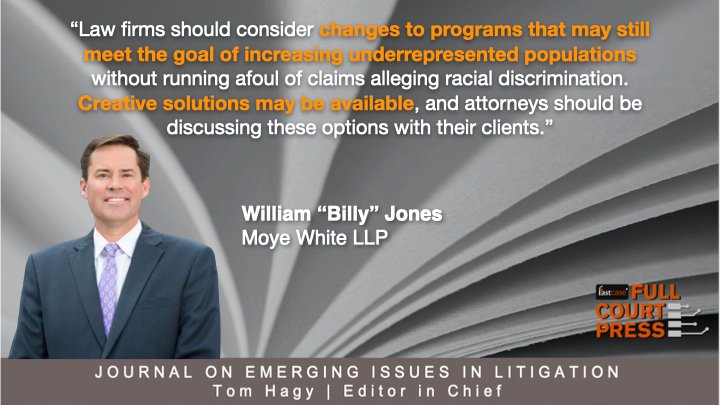
DEI Programs as a Source of Liability for Law Firms and Other Businesses
Two recent cases against international law firms point to an emerging trend in litigation that could have wide-spread implications for diversity, equity, and inclusion (DEI) programs. The author, William "Billy" Jones examines these recent cases filed against the law firms for their DEI fellowships and the potential impacts for law firms and other private businesses.

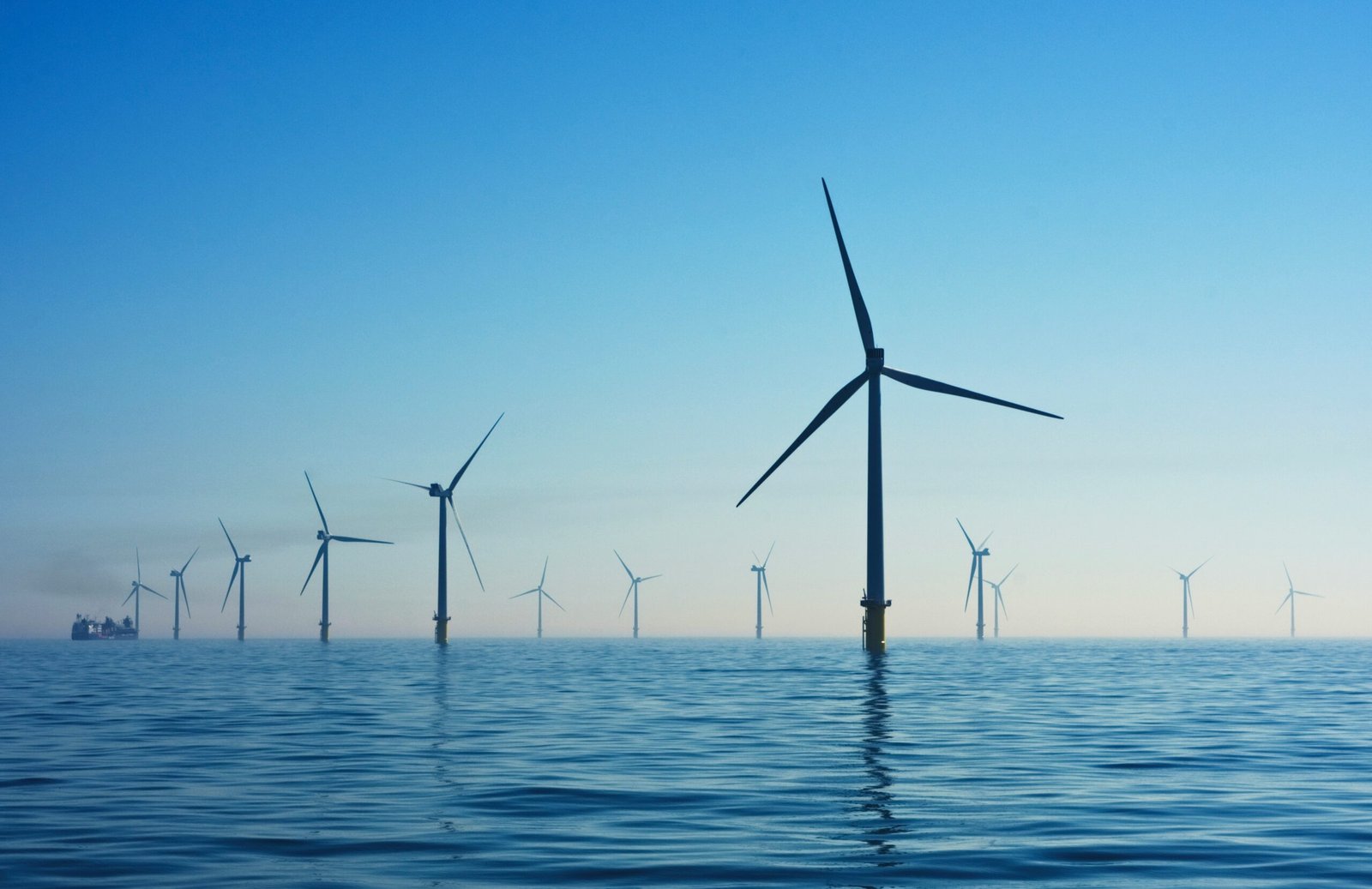
Judge finds flaws in motion for an injunction against Trump’s wind turbine order
While Trump’s freeze on offshore wind permits faces legal challenge, a federal judge isn’t convinced the states bringing the case have shown enough harm. In this article, guest contributor Justin Ward explains why the motion for an injunction was denied, what it means for the broader battle over renewable energy, and how executive power could stall green infrastructure without ever breaking the law.

Sexual Abuse & Insurance
Join Marshall Gilinsky and John Lacey of Anderson Kill, along with Brian Della Torre of ARMR, for a CLE webinar focused on navigating sexual abuse claims through insurance recovery. Learn how to locate and leverage historic liability policies, understand allocation and occurrence issues, and overcome common insurer defenses. Discover how institutions can access valuable coverage through strategic claims, litigation tactics, and insurance archaeology.

Am I Covered For? . . . A Discussion of Insurance Coverage Issues
Join Steven J. Pudell and Christina Yousef of Anderson Kill and William Harrison of Gallagher for an engaging CLE webinar introducing the fundamentals of insurance coverage. This session breaks down the differences between first-party and third-party claims and provides an overview of key insurance policies—including general liability, property, D&O, E&O, employment practices, cyber, commercial crime, and product recall. Through real-world examples and practical tips, the panel will highlight common challenges policyholders face and how courts have addressed key coverage issues. Ideal for those new to insurance or looking for a comprehensive refresher.

Cyber and Privacy Risk and Insurance in 2025: Part I—”the Basics”
Join leading experts Joshua Gold and Luma Al-Shibib of Anderson Kill, P.C., and Miranda Jannuzzi of Aon for Cyber and Privacy Risk and Insurance in 2025: Part I—"The Basics”, a foundational CLE webinar that explores the evolving cyber threat landscape and how insurance can (or can’t) help mitigate losses. Learn about key cyberattack vectors, common pitfalls in the path to coverage, and the latest developments in privacy-related risks and insurance products. Ideal for those looking to strengthen their understanding of cyber risk and insurance fundamentals.

Generative AI & Insurance
Join Marshall Gilinsky, Shareholder at Anderson Kill; Tiago Henriques, Chief Underwriting Officer at Coalition Insurance; Colleen Murphy, Partner at Goldberg Segalla; and Marc Schein, CIC, CLS, Risk Management Consultant at Marsh McLennan Agency, for a CLE webinar exploring how generative AI is transforming the insurance industry—from underwriting to claims handling. Gain insight into emerging risks, E&O considerations, and how AI tools are reshaping policies, liability, and the future of insurance coverage.

Artificial Intelligence Litigation Roundup
The ongoing rise of artificial intelligence (AI) is reshaping legal landscapes, with a surge in antitrust and copyright lawsuits challenging the way AI integrates into business and creative industries. Key cases target AI-driven pricing platforms like RealPage and Yardi Systems, with plaintiffs alleging these tools enable collusive price fixing and drive up costs in sectors such as real estate, healthcare, hospitality, and equipment rental by aggregating and sharing sensitive commercial data. Meanwhile, copyright battles have intensified as creators, publishers, and developers sue major tech companies—including Cohere, Stability AI, OpenAI, Meta, GitHub, Microsoft, and Google—over the unlicensed use of their works to train AI models. These lawsuits argue that using copyrighted material without consent threatens creators’ rights and business models, while defendants counter with fair use and public domain defenses. The outcomes of these pivotal cases will set crucial precedents on acceptable AI practices, copyright scope, and the use of data for training language models. As AI continues to advance, these legal battles will play a defining role in shaping the future of competition, creativity, and consumer protection across industries worldwide. Read an excerpt and click to the full story on the Mogin Law LLP website.

PFAS Litigation Deepens as 3M Reaches $450M Deal with New Jersey
Guest contributor, Jennifer Holmes discusses the growing legal, regulatory, and financial fallout from PFAS—also known as “forever chemicals”—through the lens of 3M’s recent $450 million settlement with the state of New Jersey. In this wide-ranging piece, she explores how PFAS litigation is evolving beyond environmental cleanup to include product liability suits against major brands like Apple, insurance coverage battles over pollution exclusions, and the uncertain regulatory landscape shaping outcomes. As public pressure and legal scrutiny mount, Holmes offers a timely look at what businesses, insurers, and legal teams need to know about this rapidly expanding area of risk.

Federal court rejects First Amendment defense in chatbot wrongful death case
As generative AI tools grow more sophisticated—and more personal—the legal system is being forced to confront their potential harms. Guest contributor Justin Ward explores a chilling case against Character AI, where the mother of a teenage user is suing the company after her son took his own life. The boy had become fixated on an AI-generated version of a Game of Thrones character. In a significant ruling, a federal judge refused to dismiss the case on First Amendment grounds, challenging assumptions about whether AI output qualifies as protected speech—and raising urgent questions about AI accountability, user vulnerability, and the boundaries of tech company liability.

Class action alleges Ziploc misled consumers about harmful microplastics in its products
Amid rising concerns about toxic chemicals in consumer products, Apple finds itself under scrutiny. Guest contributor Justin Ward examines the controversy surrounding Apple’s smartwatch bands after researchers detected elevated levels of PFAS, or “forever chemicals.” While Apple insists its products are safe, a class action lawsuit alleges deceptive marketing and health risks, raising broader questions about accountability and chemical transparency in tech and apparel.

What DEI Changes Mean for Employers Featuring Patice Holland
As political and public scrutiny of Diversity, Equity, and Inclusion (DEI) programs grows, employment attorney Patice Holland of WoodsRogers joins the Emerging Litigation Podcast to explain how employers—especially federal contractors—can reassess DEI initiatives while staying compliant with discrimination laws, navigating shifting enforcement priorities, and managing legal, operational, and reputational risk. Tune in now!


















Arson Investigations: Best Practices for Establishing Fraud and Avoiding Bad Faith
Arson-related insurance claims are rising—and so are the risks for insurers who don’t investigate thoroughly and by the book. Guest contributor Melissa A. Segel breaks down how carriers can use modern tools, smart strategy, and legal precision to uncover fraud while steering clear of costly bad faith pitfalls. A must-read for anyone navigating the intersection of fire science and insurance law.
Facing PFAS lawsuit, Apple claims watch bands are safe, but what does the evidence say?
Amid rising concerns about toxic chemicals in consumer products, Apple finds itself under scrutiny. Guest contributor Justin Ward examines the controversy surrounding Apple’s smartwatch bands after researchers detected elevated levels of PFAS, or “forever chemicals.” While Apple insists its products are safe, a class action lawsuit alleges deceptive marketing and health risks, raising broader questions about accountability and chemical transparency in tech and apparel.