Sysco and Burford Capital Butting Heads Over Litigation Control.
- Food giant claims funder is interfering with antitrust litigation.
- Funder says its client is settling for too little.
- Public dustups over litigation funding are rare.
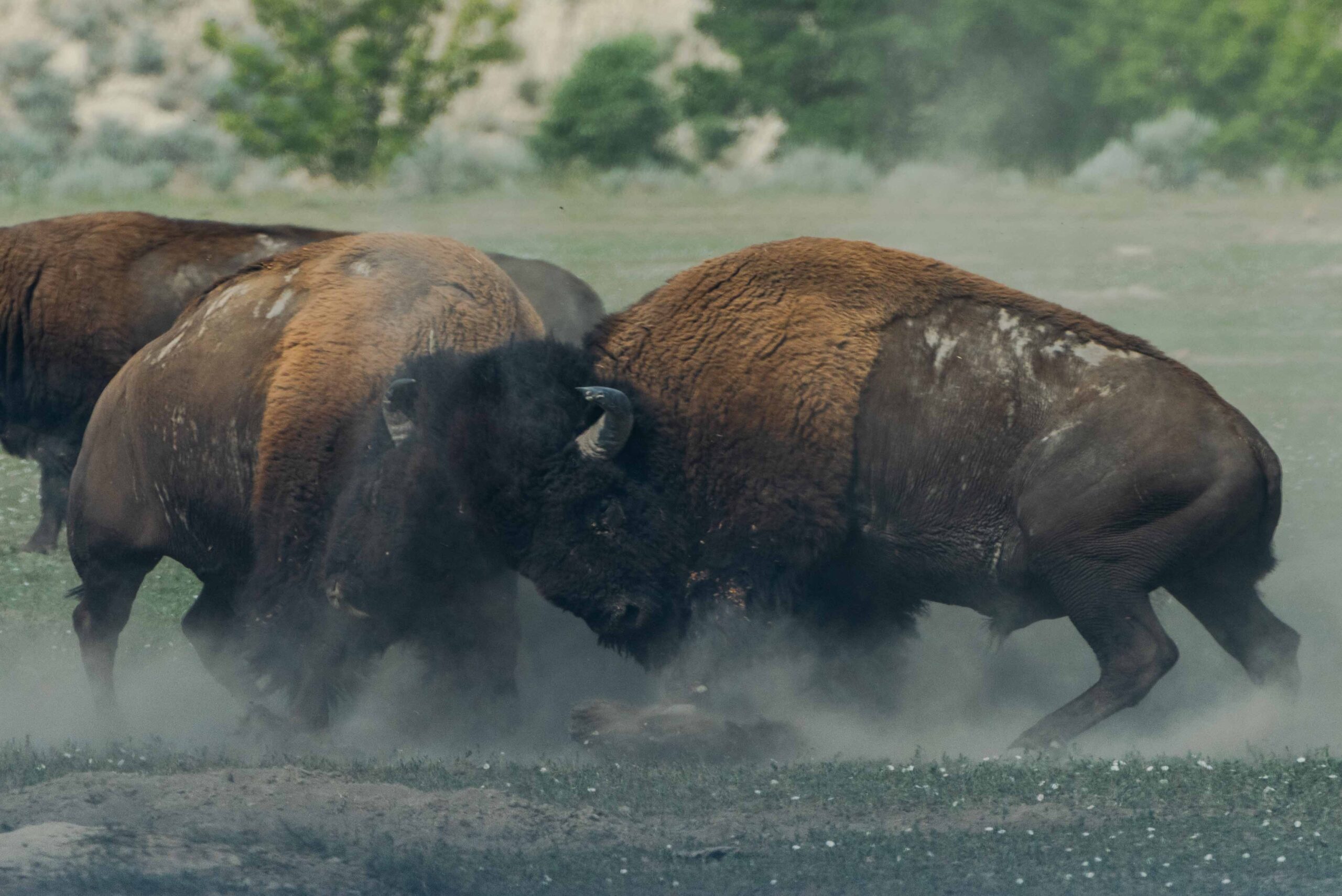
Photo by Richard Lee on Unsplash
Leading litigation funder Burford Capital LLC and food distribution giant Sysco Corp. are locking horns over the control and use of litigation funds. Burford says Sysco is settling Burford-funded antitrust litigation for amounts that deny the financial company optimal return on its investment. Sysco says the funder has overstepped its bounds and interfered with Sysco’s litigation oversight.
Sysco received $140 million from Burford in part to fund price-fixing lawsuits against poultry, pork and beef producers – complex multidistrict litigation involving hundreds of plaintiffs, dozens of defendants, and related criminal suits brought by the Department of Justice (DOJ). So far, settlements of private antitrust litigation have reached into the hundreds of millions, and DOJ has levied more than $100 million in fines.
Burford, which gets a share of any settlements in the antitrust litigation, says Sysco is settling for too little.
Sysco has sued companies associated with Burford – Glaz LLC, Posen Investments LP, and Kenosha Investments LP – claiming they are meddling in Sysco’s settlement efforts. Glaz, Posen, and Kenosha are all companies which have Burford Capital Limited as the only direct or indirect partner. All three are controlled by Burford and Burford operates as the sole funder of their respective litigation efforts.
Sysco also criticized its attorneys at Boies Schiller Flexner, whom, they say, allegedly spoke with Burford representatives without Sysco’s knowledge.
Sysco says the firm gave into Burford’s demands, an accusation the firm vehemently denies. Meanwhile, Burford has obtained an arbitration ruling blocking Sysco from finalizing any of the price-fixing settlements against the meat producers. Sysco has moved to overturn that order, saying it “violates several of the most fundamental public policies underlying our judicial system, including party control over litigation.” Burford claims Sysco gave it veto power over settlements, but only after the food distributor violated the terms of the investment deal.
This high-stakes kerfuffle raises issues around the role litigation funders play in the cases they fund – a subject critics have hammered on since the inception of the industry. While ethics rules forbid interference by lenders, Sysco and Burford clearly disagree on whether the funder veered out of its lane. Whatever the result, it’s unusual to see disputes between funders, litigants, and counsel fought in broad daylight like this.
According to Custom Market Insights, the global litigation funding market was $12.2 billion in 2021 and is expected to reach $25.8 billion by 2030. In addition to London-based Burford, it lists key market players as Parabellum Capital, Bentham Capital, Juridica Investments, Woodsford Litigation Funding Ltd., and others.
Legal News
How AI Is Transforming the Practice of Law with Cristin Traylor
Artificial intelligence is rapidly changing legal practice, but where does it deliver real value—and where is human judgment still essential? Cristin Traylor of Relativity joins Tom Hagy to discuss generative AI in legal workflows, discovery, defensibility, validation, and what lawyers should consider before relying on AI-generated results.
The Texas Two-Step: Testing Bankruptcy Law and Jury Rights with Adam Silverstein
Can financially healthy companies use bankruptcy to resolve billions of dollars in mass tort claims? Plaintiff lawyer Adam Silverstein of Otterbourg examines the Texas two-step, Johnson & Johnson’s unsuccessful talc bankruptcy attempts, the impact of the Supreme Court’s Purdue decision, and the tension between Chapter 11 and plaintiffs’ jury trial rights.
The Hidden Danger of Carbon Monoxide: Proving Exposure, Brain Injury & Liability with Sam Cannon
Carbon monoxide poisoning can cause devastating injuries while leaving victims and attorneys with difficult questions about exposure, causation, and liability. Attorney Sam Cannon of Cannon Law discusses how carbon monoxide cases are investigated, how brain injuries are proven, and why deferred maintenance, expert testimony, and multiple responsible parties can become critical to the litigation.
War Risk Insurance and Exclusion | Webinar for CLE Credit
War risk exclusions can determine whether a multimillion-dollar loss is covered or excluded. This CLE webinar examines the legal principles governing war risk insurance, political risk coverage, terrorism exclusions, cyber war claims, and the landmark cases that continue to shape insurance recovery. Featuring Robert M. Horkovich of Anderson Kill and Rich Boone of Wilson Elser, the program provides practical guidance for evaluating policy language, analyzing exclusion defenses, and developing effective recovery strategies in an evolving geopolitical and cyber risk environment.
AI and the Law: A Year-End Retrospective 2025 and Beyond | Webinar for CLE Credit
Artificial intelligence continues to reshape the legal landscape, bringing new litigation risks, evolving regulatory obligations, and complex governance challenges. In this CLE webinar, Abigail Damsky, Jamie O'Neill, and Seán McCabe of Anderson Kill examine the legal developments that continue to influence AI-related litigation and compliance, including privacy and biometric claims, copyright disputes, AI washing, algorithmic discrimination, product liability, antitrust concerns, and the expanding global regulatory framework. Gain practical insights into the cases, trends, and governance considerations that remain highly relevant for legal professionals advising clients on AI risk.